
-
Complete Linen Sprays Buying Guide for Retailers, Wholesaler...You walk into a hotel room that has just been prepared, and the bedding carries a quiet, clean scent that feels neither perfumed nor artificial. That impression rarely happens by accident. It is the ...

-
Choosing the Right Kitchen Candle: Scents, Soy Wax, and Whol...Cooking smells are the hardest test for any home fragrance. Garlic, fish, onion, oil, and fried food create strong molecules that cling to walls long after the oven is off. A dedicated kitchen candle...
-
Treoir Diffuser Seomra Folctha: Conas Diffusers Giolcach a R...Más é do sheomra folctha an chéad seomra a théann tú isteach tar éis cithfholcadh te agus an seomra deireanach a théann tú tríd sula bhfágann tú an teach, tá a fhios agat cheana féin cé chomh ta...

En
CUARDACH

Baile / Nuacht / Nuacht Tionscal / Complete Linen Sprays Buying Guide for Retailers, Wholesalers & Brands
Complete Linen Sprays Buying Guide for Retailers, Wholesalers & Brands
You walk into a hotel room that has just been prepared, and the bedding carries a quiet, clean scent that feels neither perfumed nor artificial. That impression rarely happens by accident. It is the result of a carefully formulated linen spray applied by housekeeping minutes before the guest arrives. For the past decade, linen sprays have grown from a niche luxury item into a standard piece of the home fragrance shelf, sold everywhere from supermarket aisles to boutique hotel supply catalogues. Because the product sits somewhere between air care and fabric care, buyers often misunderstand how it works, what it can and cannot do, and how to source it properly. This guide explains linen sprays from the inside out, so that retailers, wholesalers, and brand owners can ask the right questions, pick the right formulation, and work with a manufacturer that delivers consistent results.
If you are evaluating whether to add linen sprays to your assortment, the short version is this: linen sprays are dilute alcohol-and-water fragrance emulsions designed to be sprayed onto fabric surfaces, offering a low-residue, quick-drying way to refresh bedding, curtains, upholstery, and apparel. They are cheaper to produce than candles, easier to customise in small batches, and highly repeatable as a daily-use household product. That makes them an attractive category for private-label programs, retail chains, and hospitality procurement. The details that separate a good product from a mediocre one, however, live in the formula, the fragrance quality, the packaging, and the manufacturer's quality control. The following sections walk through each of those details.
What Are Linen Sprays and How Do They Work?
Linen sprays are lightly scented liquid products that you mist onto fabrics to make them smell fresh and pleasant. Unlike heavy aerosol air fresheners that coat a room with suspended droplets, linen sprays are formulated with a much finer mist and a solvent system designed to evaporate quickly, leaving fragrance molecules bound lightly to the fibres of the fabric. The typical composition includes purified water, a food-grade or cosmetic-grade alcohol such as ethanol or isopropyl alcohol, a fragrance oil blend, and a small amount of emulsifier or solubilizer to keep the oil and water from separating. Some formulas add preservatives to prevent microbial growth, and a few include fabric-conditioning agents such as quaternary ammonium compounds or starches to deliver a softening or anti-static effect.
The mechanism is straightforward. When you spray a fine mist onto a pillowcase, the alcohol and water evaporate within seconds to a few minutes, while the fragrance molecules, which are less volatile than water, remain adsorbed onto the fabric fibres and slowly release over hours. That slow release is what creates the "scented bed" effect, where the fragrance lingers in a subtle way instead of hitting you in the face when you enter the room. The alcohol also serves a secondary purpose: it speeds up evaporation, prevents the fabric from feeling damp, and helps the fragrance spread evenly across the surface before the liquid dries.
There are two main formulation paths used by manufacturers like Ningbo Habest Home Co., Ltd., a Ningbo-based home fragrance maker that has supplied reed diffusers and scented candles to retailers across Japan, the United States, the European Union, and the United Kingdom. The first path is an alcohol-rich formula, usually 15 to 30 percent ethanol, which dries very fast and delivers a crisp scent throw. The second path is a low-alcohol or alcohol-free formula, which is gentler on sensitive skin and safer for homes with children or pets but dries more slowly and may require a different preservative system. Buyers should not assume that "alcohol-free" is automatically better; the alcohol content is a tool that formulators use to control drying time, scent intensity, and shelf life.
It is also important to clarify what linen sprays are not. They are not stain removers, even though some formulations include a trace of fabric-safe surfactant. They are not disinfectants, unless the label explicitly states a registered antibacterial claim, which requires a different regulatory pathway in most markets. And they are not long-lasting room deodorizers. A linen spray works on the surface it touches, not on the air volume of a room. That distinction matters for marketing claims, label compliance, and consumer expectations. When a customer complains that a linen spray "didn't last all day," the problem is usually a mismatch between the promise and the product format, not necessarily a defective batch.
For a manufacturer, the formulation choices also affect production economics. Ethanol is more expensive than water, but it reduces the amount of fragrance oil needed for a perceptible scent, because the alcohol delivers the oil to the fabric surface more efficiently. A well-balanced formula might use 0.5 to 2 percent fragrance oil, depending on the scent family and the desired intensity. Strong notes such as lavender, eucalyptus, and citrus can perform well at the lower end of that range, while musky, woody, or gourmand notes may need more dosage to feel present. Understanding this balance is one of the first things a supplier should be able to articulate when you request a quotation.
The practical takeaway for a professional buyer is that a linen spray is a precision emulsion, not "perfume diluted with water." The quality of the water, the purity of the alcohol, the packaging sealing, and the filling process all influence whether the product remains stable for eighteen to thirty-six months on a retail shelf. An experienced fragrance manufacturer will be able to show you stability testing data, fragrance oil certificates of analysis, and preservative efficacy results before you commit to a first production run.
Key conclusion: A linen spray is a quick-drying, low-residue fabric fragrance product built from water, alcohol, emulsifier, and fragrance oil. The formulation balance determines drying speed, scent intensity, and shelf life, so buyers should evaluate the formula, not just the scent.
Why Use Linen Sprays: Benefits and Consumer Expectations
The number of reasons that drive a consumer to buy a linen spray has expanded well beyond the classic "make my bed smell nice" scenario. Today, buyers use linen sprays to prepare guest rooms, to rejuvenate clothes that are not dirty enough to wash, to calm themselves before sleep, to remove cooking odours from curtains, and even to add a signature scent to a retail store or a hotel corridor. For a wholesaler or a private-label brand, understanding these motivations is critical because each motivation maps to a specific fragrance profile, a specific bottle size, and a specific set of label claims.
Linen sprays have moved from a niche beauty accessory to a standard item in household and hospitality purchasing lists. For brands planning a private-label launch, understanding where and how consumers use these products directly affects bottle size, fragrance selection and packaging design. The chart below summarises the typical share of usage settings observed across retail and contract buyers in the home fragrance market. It is based on sourcing requests and category data commonly reviewed by manufacturers when planning production runs. The pattern explains why many suppliers offer multiple capacity options and different cap types for the same formula.
Typical Usage Settings for Linen Sprays
Home bedroom
42%
Hotel and serviced apartment
24%
Spa and wellness
14%
Retail apparel and showroom
11%
Car and on-the-go
9%
Illustrative distribution based on category sourcing patterns observed by home fragrance manufacturers.
The dominance of the home bedroom setting is not surprising, but it is worth examining closely. In many markets, consumers buy their first linen spray either for their own bed or for a child's bed, usually with a lavender, chamomile, or cotton-scented fragrance promoted for relaxation and sleep. This means the scent profile must not be overly sharp or synthetic, because it will be inhaled for six to eight hours at close range. A formula that smells pleasant in a spray test five seconds after application can smell cloying by hour four if the top notes are too aggressive. Leading manufacturers therefore develop sleep-oriented linen sprays with softer top notes and a flatter scent curve, so the fragrance fades gracefully rather than collapsing into a single note.
The hotel and serviced apartment segment deserves equal attention from B2B buyers, because it behaves differently from the retail segment. Hospitality procurement teams look for linen sprays that are economical to apply across many rooms, deliver a consistent scent signature, and do not stain white linens. This places stricter requirements on the formula: the fragrance oil must be free from dyes and heavy botanicals that can discolour fabric, and the alcohol content must be high enough to dry quickly even when a housekeeper uses several pumps per pillowcase. The hotel segment also tends to commission larger bottle formats, often 500ml or one-litre refillable bottles, which reduces the per-application cost and packaging waste.
The spa and wellness segment has its own logic. Spa buyers usually want essential-oil-forward formulas, often with eucalyptus, rosemary, or bergamot, and they tend to favour alcohol-free or low-alcohol versions because the scent should feel natural rather than perfumed. The retail apparel segment is the smallest but arguably the most interesting for brand owners: a boutique clothing store may spray its garments once in the morning to create a signature scent that customers associate with the store. For this use, the fragrance must be very subtle, so that it does not conflict with the customer's own perfume, and the formula should not leave visible residues on dark fabrics.
The car and on-the-go segment is the fastest-growing niche. Small 30ml or 50ml bottle formats with fine mist sprayers are sold for refreshing upholstery, headrests, and car footwell mats. Because car interiors heat up considerably in summer, the formula must be stable at high temperatures, which eliminates some water-heavy emulsions. Manufacturers who can demonstrate heat-stability testing at 50 degrees Celsius or above have a clear advantage in quoting for this segment. Across all five usage settings, one theme repeats: buyers trust a linen spray format when it behaves predictably on fabric, and they repurchase when the fragrance matches the promise on the label.
Key conclusion: Linen sprays are purchased for different reasons in different channels. A manufacturer that understands the specific performance demands of each usage setting can help you choose the right formula, bottle size, and fragrance family for your target market.
Linen Sprays vs. Other Home Fragrance Formats
A common question from buyers entering the home fragrance category is whether linen sprays are the right first product, or whether they should start with candles and reed diffusers, which have larger established markets. The honest answer is that these formats are complementary, not interchangeable. Reed diffusers provide continuous, passive scent for weeks at a time. Candles deliver a strong hot-throw scent with the added value of flame and ambience. Linen sprays are instant, targeted, and reset-table: you can apply them at any moment, adjust the intensity, and reapply as often as you like without worrying about soot, heat, or oil spills. For a product line, offering linen sprays alongside a reed diffuser or candle assortment lets consumers choose based on the moment, not just the scent.
The table below compares the core characteristics that matter for retail assortment planning and for hospitality procurement. Pay attention to the columns on scent duration, application control, and per-use cost, because these are the factors that consumers cite most often when deciding between formats.
| Criterion | Linen Spray | Reed Diffuser | Scented Candle |
|---|---|---|---|
| Scent release | Instant on application | Passive, continuous | On flame, gradual |
| Duration per unit | 30 to 90 days of daily use | 6 to 10 weeks | 20 to 50 hours burning |
| Control | High, user decides amount | Low, fixed by reed count | Medium, burn time per session |
| Application surface | Fabric, bedding, curtains | Ambient air only | Ambient air only |
| Open flame risk | None | None | Yes, requires supervision |
| Per-use cost | Very low | Low | Medium to high |
| Typical retail price band | USD 3 to 18 | USD 5 to 30 | USD 7 to 40 |
| Customisation speed | Fast, low MOQ | Moderate | Moderate |
From a supplier perspective, linen sprays are attractive because they can be produced on relatively simple liquid-filling lines, and they are easy to sample and iterate. A buyer can request a custom blend, receive a 50ml sample within days, and test it on actual fabric before committing to a full pallet. That speed is much harder to achieve with candles, which require wick selection, wax melting, mould or container setup, and longer lead times. Reed diffusers sit in between: the base liquid is similar to linen spray in some ways, but the reeds and bottle neck dimensions add another layer of SKU complexity.
Naturally, the alternative formats are not competitors in the consumer's mind so much as different tools in the same cabinet. In fact, many of our clients order all three formats together: a soy wax candle for the living room, a reed diffuser for the hallway, and a linen spray for the bedroom. A manufacturer that produces multiple formats can consolidate your purchase orders, reduce freight complexity, and maintain a consistent signature fragrance across all product lines. For example, if your brand uses a lavender-cedar blend in a candle, the same blend can be adapted for a linen spray by adjusting the carrier system and dilution ratio.
The candle format also offers a warm, ritual-driven experience that a linen spray cannot replicate. If your target customer is someone who actively enjoys the act of lighting a candle, removing the spent wick, and watching the wax pool, then a scented candle is the anchor product. Linen sprays become the entry point for consumers who want the benefit of home fragrance without any ritual or safety consideration. For retail buyers, offering both expands the basket: a customer who initially buys a candle at full price may add a linen spray as a lower-priced companion item at the checkout.
One more point deserves mention for B2B buyers: mixed-product purchase volumes. Because linen sprays have lower absolute prices than candles, the margin per unit is thinner, but the turnover is faster. Many wholesalers use linen sprays as a volume product to fill containers alongside higher-margin candles and diffusers. This is a standard practice in the home fragrance import trade, and a seasoned supplier will be transparent about the cost breakdown so you can plan your landed cost per unit. When you work with a manufacturer that has in-house liquid filling, fragrance dosing, and labeling lines, the cost model becomes even more predictable.
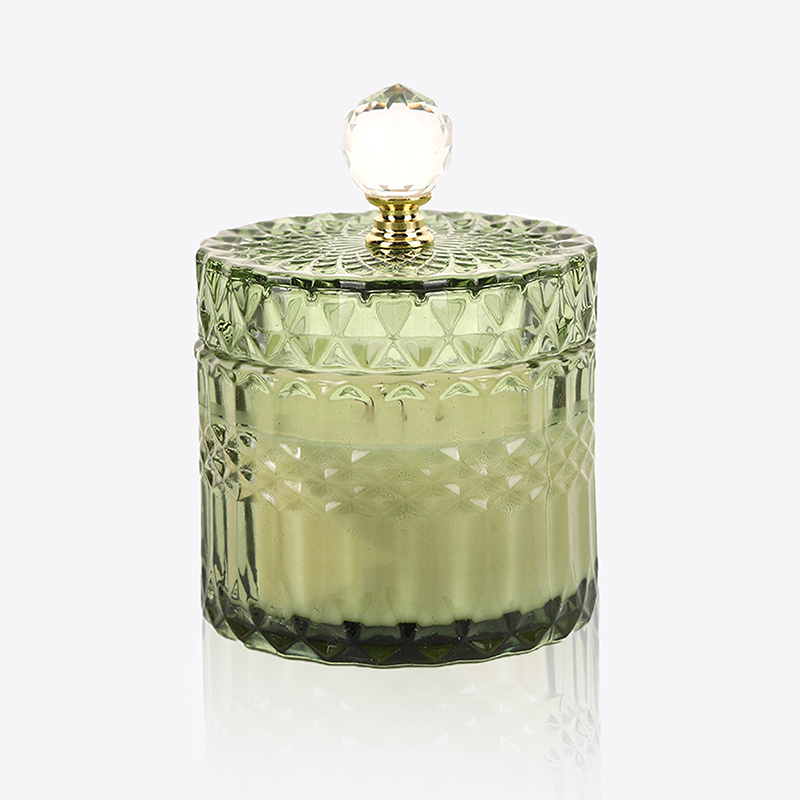 L5200B Organic Soy Wax Scented Candle in Glass JarThis candle uses 100% organic soy wax, which burns cleaner than paraffin and suits buyers prioritizing indoor air quality. Its production passes BSCI and WCA certifications, making it a dependable addition to a mixed home fragrance order.View Product →
Key conclusion: Linen sprays, reed diffusers, and candles serve different use moments. A multi-format assortment with a shared fragrance identity gives you more shelf coverage and higher repeat-purchase potential than selling any single format alone.
How to Use Linen Sprays Effectively
Even a well-formulated linen spray will disappoint if the end user applies it wrong. That may sound trivial, but consumer complaints about linen sprays, such as "the bottle stopped spraying after a week", "the pillow felt damp", or "the scent was too weak", are usually traceable to application mistakes rather than product defects. Therefore, a good sourcing strategy includes clear usage communication on the label and, for B2B clients, training materials for hotel housekeeping staff. Manufacturers can help you write this content accurately because they know the formulation nuances behind each product.
The correct application is simple in principle. Hold the bottle twenty to thirty centimetres from the fabric surface. Spray two to four light mists per pillowcase, one to two mists per flat sheet, and allow the liquid to air-dry. Do not rub the fabric after spraying, because rubbing redistributes the moisture unevenly and can evaporate the lighter fragrance top notes before they bind to the fibres. For a whole bed, the most efficient sequence is to make the bed first, then spray across the surface in a sweeping motion, keeping the nozzle moving so no single spot becomes oversaturated. The mist should feel like a light dew, not a puddle.
Timing also matters. A linen spray takes one to three minutes to dry on cotton and five to ten minutes on denser fabrics such as velvet or thick blankets. For a sleep-oriented product, the best moment is fifteen minutes before the user plans to get into bed. This gives the alcohol time to dissipate completely and leaves a soft, calm scent on the pillow. For a freshness product used on clothing, spraying inside a garment bag before travel, or lightly misting the inside of a closet, works better than misting the garment itself, because the enclosed space traps the fragrance and transfers it to the fabric over hours.
There are a few hard rules that should appear on your label for liability reasons. First, do not spray silk, suede, leather, velvet, or dry-clean-only fabrics with any product that contains water and alcohol, unless you have tested a hidden area first. Alcohol can alter dyes on delicate textiles, and water can leave a temporary watermark on silk. Second, do not spray near open flame, because alcohol-based formulas are combustible while the mist is airborne, even though the wet fabric is not a fire hazard once the liquid evaporates. Third, keep sprays out of reach of children and pets, and never allow direct inhalation of the mist; the label should recommend spraying away from the face.
The two-column layout below summarises what to communicate to your customers. The left column lists the practices that make a linen spray perform at its best, and the right column lists the common mistakes that lead to disappointment and returns.
Recommended Use
|
Common Mistakes
|
The last point about shaking deserves a note. Some linen spray formulas separate over time, especially those that contain essential oils or small amounts of botanical extracts. A gentle swirl before each use is acceptable, but vigorous shaking can create foam, and foaming changes the droplet size coming out of the sprayer nozzle, which leads to uneven coverage. If your manufacturer's formula separates easily, ask for a better emulsifier package or a different solubilizer, such as PEG-40 hydrogenated castor oil, which stabilises many citrus and floral fragrance oils.
For hotel and commercial users, the application procedure should be standardised. Housekeeping teams should receive a simple card illustrating the spray distance, the number of sprays per surface, and the drying time. Many hotel operators also require the housekeeper to spray the bed while it is still unmade, then make the bed, which distributes the fragrance more evenly from the inner layers outward. This method has the added advantage of reducing the risk of visible mist residue on the blankets and decorative pillows.
Finally, be realistic about performance expectations. A linen spray is a short-to-medium-term fragrance booster, not a permanent fabric conditioner. Depending on the fragrance family and the fabric type, most buyers report that the scent is clearly noticeable for the first four to eight hours after application and then fades to a barely perceptible base note. That is the correct behaviour for the format. Products that advertise "three-day freshness" usually achieve it by loading excessive fragrance oil, which can feel oily on fabric and cause headaches for sensitive users.
Key conclusion: Proper application technique directly affects consumer satisfaction. Clear label instructions and housekeeping training reduce returns, improve repeat purchase, and protect the brand from misuse-related complaints.
Main Types of Linen Sprays and Fragrance Families
Not all linen sprays are the same, and a buyer who treats the category as one SKU will miss most of the market. The category splits into functional types, and each type carries its own fragrance families, packaging conventions, and price expectations. When planning an assortment, you should decide whether you want a single hero product or a small family of products serving different consumer jobs. The most common functional types are sleep-and-relaxation sprays, daily freshness sprays, odour-neutralising sprays, aromatherapy or essential-oil sprays, and premium designer-style home mists.
Sleep-and-relaxation sprays form the largest subcategory in the retail market. Lavender dominates this segment by a wide margin, usually blended with chamomile, cedarwood, vetiver, or vanilla to round out the herbal sharpness of raw lavender oil. These products are often sold in 100ml to 150ml bottles with a soft pastel aesthetic, and the label copy focuses on "bedtime ritual" or "calm sleep". Daily freshness sprays are more versatile and tend to use cotton flower, white musk, fresh linen accord, or light citrus. Consumers use them for quick touch-ups on sofas, curtains, and clothes, and they expect a very neutral, clean scent rather than a perfumed one.
Odour-neutralising sprays are a technically different product. They still carry fragrance, but they also include odour-absorbing molecules such as cyclodextrins or zinc ricinoleate, which bind to volatile odour compounds in the air and on fabric surfaces. This type is popular in pet-owning households, smokers' homes, and gym equipment areas. The fragrance families skew toward crisp and astringent notes like green tea, bamboo, sea salt, and eucalyptus. If you are sourcing an odour-neutralising spray, ask the manufacturer for performance test data that demonstrates how much of a reference odour, such as cigarette smoke or cooked fish, is reduced in a controlled chamber test.
Essential-oil-forward aromatherapy sprays are positioned as wellness products. They often use higher-cost botanical oils, smaller bottle formats of 30ml to 60ml, and a claim structure built around emotional benefits such as focus, energy, or comfort. This segment demands more rigorous documentation, including the botanical name of each oil, the country of origin, and, for some markets, proof that the product does not contain restricted allergens above regulatory thresholds. The premium designer-style home mist segment is a rising trend in Europe and North America, where consumers buy a linen spray by the same thinking that drives perfume purchases. These products feature complex, niche-style fragrance accords, sophisticated glass bottles with continuous sprayers, and a higher price per millilitre.
The table below outlines the fragrance families that appear most frequently in linen spray ranges, along with the performance characteristics that a buyer should check in a formula before approval. Use it as a shortlist when you brief a supplier about your new product idea.
| Fragrance Family | Example Descriptor | Typical Use Case | Formula Check |
|---|---|---|---|
| Lavender and herbal | Lavender, chamomile, sage | Bedtime, sleep, relaxation | Irritation-safe at 0.5 to 1.5% |
| Cotton and clean | Cotton flower, white musk | Daily freshness, linen care | Dye-free, no brighteners |
| Citrus and bright | Bergamot, lemon peel, orange | Morning refresh, kitchen fabric | Photostability, oxidation barrier |
| Green and botanical | Eucalyptus, tea leaf, bamboo | Odour neutralising, wellness | Antimicrobial preservation |
| Woody and musky | Cedarwood, sandalwood, amber | Evening ambience, premium line | Fixative balance, residue check |
| Floral and romantic | Rose, peony, jasmine | Guest rooms, romance positioning | Allergen labelling compliance |
For a wholesaler, the safest assortment strategy is to start with two products: one sleep-oriented lavender blend and one versatile cotton-clean freshness spray. These two cover the majority of consumer searches, and they give retail buyers an easy story to tell on shelf. After those prove themselves, you can extend into an odour-neutralising version or a premium woody-floral mist to create a three-SKU family. Each extension should use a shared design language so the line reads as a family rather than as isolated products.
Manufacturers with a strong fragrance development team, such as Ningbo Habest, can also help you build a custom scent family that is exclusive to your brand. Exclusive fragrances require a minimum commitment because the fragrance house charges a development fee and usually applies a guarantee period during which the blend is not sold to other customers. For a retail brand planning a long-term linen spray line, exclusivity is well worth the investment, because it prevents your competitor from launching an identical scent on the same shelf next season.
Alongside the scented product itself, many buyers also source matching household fragrance items to increase the order value. For example, a lavender sleep-oriented linen spray could be paired with a lavender reed diffuser for the nightstand and a lavender scented candle for the bathroom. This kind of "bedtime collection" makes sense for your retail narrative and simplifies your logistics, as all items ship from the same factory and share the same fragrance oil batch. The following product from our range is a popular complement to a lavender linen spray program.
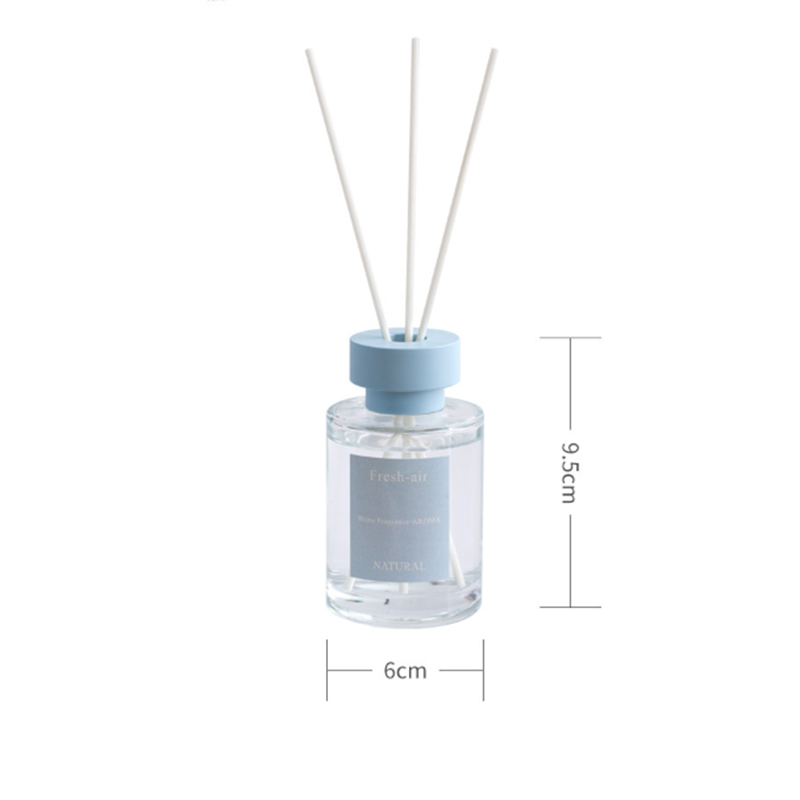 120ml Flameless Reed Diffuser with Multiple Fragrance OptionsA 120ml reed diffuser with a large capacity for long-lasting fragrance, offered in options like lavender and white peach oolong. It pairs well with a lavender linen spray to create a bedtime collection and supports higher order value.View Product →
Key conclusion: Segment the linen spray category by functional type and fragrance family. A two-SKU starter line covering sleep and daily freshness gives the broadest market coverage, and exclusive fragrance blends create a defensible brand position.
What Goes Into a Well-Formulated Linen Spray
A professional buyer does not need to become a chemist, but understanding the core ingredients and how they interact will dramatically improve your conversations with suppliers. A typical linen spray formulation contains five components, and each one has a job to do. The base is purified water, usually deionised or reverse-osmosis treated, so that dissolved minerals do not interact with the fragrance oil or leave white streaks on dark fabric. The second component is alcohol, which improves drying time and helps the fragrance evaporate off the fabric surface at a controlled rate. The third is the fragrance oil blend itself, which is rarely a single oil and usually contains dozens of different natural isolates and synthetic aroma chemicals designed to produce a balanced scent profile.
The fourth component is a solubiliser or emulsifier. Fragrance oils do not dissolve in water, so the solubiliser creates a thermodynamically stable mixture, or at least a mixture that remains uniform enough during the two-year shelf life to deliver a consistent spray. Common choices include polysorbate 20, polysorbate 80, and PEG-40 hydrogenated castor oil. The fifth component is the preservative system. Water-based products are susceptible to bacteria, mould, and yeast growth, especially once the bottle is opened and exposed to bathroom moisture. A robust preservative system, based on phenoxyethanol, potassium sorbate, or an approved built-in organic acid blend, keeps the product safe for the full period of use after opening, which is often printed on the label as a "PAO" symbol with a number in months.
Quality differences between manufacturers show up at the level of the fragrance oil itself. A low-cost supplier may purchase a pre-diluted perfume oil from a commodity fragrance house and dose it at a very low concentration to cut costs. The result is a spray that smells strong on first application but loses its character within minutes because the light top-notes evaporate and there is not enough base-note fixative to hold the composition. A more experienced manufacturer works directly with fragrance suppliers to build a bespoke oil with a balanced top, heart, and base note pyramid, and then adjusts the dosage to suit the carrier system. This is one area where "you get what you pay for" is genuinely true: a 1 percent dosage of a high-quality oil can outperform a 2 percent dosage of a crude oil in both silage and longevity.
The physics of the spray container also belongs in the formulation conversation. A continuous spray bottle, commonly called a fine mist sprayer, creates droplets of fifteen to twenty-five microns, which is the sweet spot for linen application. Droplets smaller than that are too light and drift away instead of landing on fabric; droplets larger than thirty microns leave visible wet spots. The sprayer's dip tube length, the actuator design, and the viscosity of the liquid all affect droplet size. This is why a formulator needs to know the packaging specification before finalising the product: a formula that works perfectly in a crimp-neck fine mist glass bottle can perform poorly in a cheap trigger pump with a wider orifice.
It is also worth understanding how linen sprays differ chemically from the fragrance oils used in reed diffusers. Reed diffuser bases are usually odorless solvents such as DPG (dipropylene glycol) or a blend of isoparaffinic hydrocarbons, which are viscous and move slowly up reed capillaries. A linen spray base, by contrast, is mostly water and alcohol, with low viscosity and fast drying. That is why you cannot simply pour a reed diffuser oil into a spray bottle and dilute it at home; the carrier system and the solubiliser package are optimised for completely different physical environments. Readers interested in the capillary mechanics behind our reed diffuser products can consult our note on how reed diffusers use capillary action to distribute fragrance, which explains the same perfumery principles in a different format.
Regulatory compliance is another essential layer of formula evaluation. In the European Union, the CLP Regulation governs how fragrance allergens are declared on the label, and there are currently over fifty fragrance allergens that must be listed when they exceed certain thresholds. In the United States, the FDA regulates cosmetics containing fragrance, while the CPSC handles packaging and child-safety concerns. A manufacturer should provide a safety data sheet, a certificate of analysis for each fragrance oil batch, and an IFRA compliance letter showing that the product formula respects the limits set by the International Fragrance Association. Buyers who skip this documentation expose themselves to recall risk, which is vastly more expensive than paying a little more for a compliant supplier.
For B2B buyers planning to sell under their own brand, stability testing deserves a line in the quotation. Ask whether the supplier has performed three-month accelerated stability testing at 45 degrees Celsius, cycling tests between 4 and 40 degrees Celsius, and a minimum of two full freeze-thaw cycles. These tests reveal whether the emulsion separates, whether the fragrance fades or discolours, and whether the sprayer nozzle corrodes. A manufacturer that cannot show this data is not ready to support a serious retail launch, no matter how nice the sample smells in a meeting room.
Key conclusion: A quality linen spray depends on water purity, alcohol balance, solubiliser choice, preservative robustness, and sprayer compatibility. Regulatory and stability documentation is just as important as the fragrance itself for avoiding supply-chain and liability problems.
Manufacturing Linen Sprays: OEM and ODM Considerations
For brand owners and importers, the manufacturing process determines your cost, quality, and lead time more than any other single factor. The production of linen sprays appears deceptively simple, but in practice it involves a series of controlled steps that require experience to execute reliably at scale. In a typical OEM project, the buyer supplies the fragrance direction or a target scent to match, and the manufacturer develops the formula, sources the bottles and caps, fills the liquid, applies the labels, and packs the product into retail-ready cartons. In an ODM project, the buyer selects an existing formula from the manufacturer's catalogue and simply customises the label, bottle colour, or fragrance concentration.
The process starts with fragrance selection and dosage testing. The manufacturer's perfumer, or an external fragrance partner, produces a first batch and prepares small sprayer samples for evaluation. This stage usually takes one to two weeks when working with an established supplier who maintains an in-house scent library. After the buyer approves the scent direction, the formulation team locks the exact percentage of fragrance oil, solubiliser, alcohol, water, and preservative. This formula is then submitted to a physico-chemistry lab for checks on pH, density, clarity, and flashpoint. Samples are also sprayed onto white cotton fabric and dark fabric simultaneously to confirm that no staining occurs at the required dosage.
Bottling and packaging choices have a direct influence on cost. The most common formats for linen sprays in retail are 50ml, 100ml, 120ml, and 150ml glass or PET bottles. Glass gives a premium feel and better chemical compatibility with alcohol, but it weighs more and increases freight cost. PET is lighter and unbreakable in shipping, but it is not suitable for all fragrance systems, especially if the perfume contains high levels of certain esters or aldehydes that can interact with the plastic over months. HDPE is another option for larger refill formats. The table below summarises the configuration choices a buyer should weigh when specifying a linen spray.
50ml PET with fine mist
Trial-size, car use, hotel amenity kits. Low cost, lightweight.
100ml crimp glass
Retail standard, balanced cost and premium feel. Most common entry SKU.
150ml glass with cap
Extended-use family bottle, suitable for gifting sets and premium lines.
500ml HDPE refill
Hotel housekeeping, cost-per-spray optimisation, bulk commercial use.
Fill tolerance is a hidden quality issue in linen spray production. When a filling line operates too quickly or the nozzle calibration drifts, the net weight per bottle can vary by more than the allowable plus-or-minus 5 percent that most retail buyers accept. A well-managed factory performs inline weight checks at regular intervals, typically every fifteen to thirty minutes, and stores the fill-weight records for traceability. If a buyer ever receives a claim about "half-empty bottles", the first thing to request is the factory's calibration log. This may sound dry, but it prevents expensive disputes with retail customers.
Custom fragrance development follows a similar timeline. If a buyer wants a completely original scent built around a brief such as "clean cotton with a hint of sea salt and white tea", the fragrance house will present the first development sample in two to three weeks, followed by a refinement round of another one to two weeks. Once the scent is approved, the exclusive fragrance is copyrighted to the buyer for the duration of the agreed exclusivity window. The buyer should also order a stability sample of the final formula in the final bottle, because some fragrance oils interact with certain bottle resins under sunlight. Weathering tests with a xenon lamp can simulate three months of shelf light exposure in a week.
Minimum order quantities are a major factor in supplier selection. For a simple ODM linen spray with a standard bottle and an existing fragrance from the manufacturer's portfolio, the MOQ could be as low as one to three thousand pieces. For a fully custom OEM product with a bespoke fragrance, custom mould, and new label artwork, the MOQ typically rises to five to ten thousand pieces per SKU. Ningbo Habest, which operates five production lines and a 6,500-square-metre factory in Ningbo, routinely quotes such hybrid projects for international clients, combining an existing bottle library with custom fragrance development. A buyer with a clear forecast can negotiate staged deliveries, producing the full MOQ but shipping in two or three tranches to reduce inventory holding costs.
Although this article focuses on linen sprays, you should keep the rest of the product line in mind when choosing a supplier. A manufacturer that also produces reed diffusers and scented candles can coordinate your entire fragrance assortment under one quality system and one logistics operation. For example, the reed diffuser collection from our factory uses the same fragrance oil purchasing and quality control framework that supports a linen spray project, so you can mix products in a single container without sacrificing quality. This is a practical advantage for wholesalers who need to fill a forty-foot container efficiently.
Key conclusion: OEM and ODM linen spray projects differ in MOQ, lead time, and customisation level. A manufacturer with in-house filling lines, stability testing, and multi-format production capability gives you the flexibility to grow from a simple first order into a full fragrance collection.
How to Choose a Linen Spray Manufacturer or Wholesale Supplier
Selecting the right supplier is a risk-management exercise as much as a commercial decision. The cheapest quotation can become the most expensive when you account for quality rejects, delayed shipments, and compliance failures. Conversely, an expensive manufacturer is not automatically a good one. This section lays out the specific criteria that procurement managers and product developers should use when evaluating a linen spray supplier, whether you are buying finished goods for wholesale or commissioning a private-label program.
Start with factory audits and certifications. Reputable manufacturers serving international retail chains hold at least one third-party social compliance audit, such as BSCI or WCA, which confirms that working conditions, wages, and safety practices meet basic international standards. Beyond compliance, look for evidence of technical infrastructure: a mixing room separate from filling lines to prevent cross-contamination, purified water generation equipment, a lab with pH meters and scales for batch-to-batch consistency, and a batch-record system that lets the factory trace every unit back to its raw material lot. Certifications such as ISO 9001 for quality management and ISO 22716 for cosmetics GMP are strong signals, but the physical audit evidence matters more than certificates on a website.
Fragrance capability is the second pillar. Ask the supplier how many fragrance oil suppliers they work with and whether they hold an in-house scent library. A good library lets you compare twenty or thirty ready-made linen spray scents in a single meeting, which accelerates your product development enormously. If the supplier must order every sample from a third party, each round of sampling can take weeks. Ask also whether the supplier can provide an IFRA compliance certificate for each fragrance, a safety data sheet in your target language, and a declaration of the exact allergen content. Manufacturers that cannot provide these documents may be fine for a local low-end market, but they are not ready for export to the European Union, the United States, or Australia.
Packaging and filling capability is the third pillar. A linen spray supplier should be able to offer at least three bottle sizes, two or three sprayer types, and a choice of crimp-neck or screw-neck finishes. They should also have in-house label application, because outsourced labeling adds another party to the quality chain. The presence of automatic or semi-automatic filling lines with inline weight checks is a plus, as is a separate line or dedicated area for handling small-batch custom sprays. If the factory produces only candles, be cautious: liquid filling has different contamination and leak-prevention challenges, and a factory without liquid-filling experience may underestimate the complexity.
Quality inspection protocols form the fourth pillar. Ask how the factory performs incoming raw material inspection, in-process checks, and final random inspection. A competent supplier will test every incoming batch of fragrance oil for colour, odour, and specific gravity before releasing it to production. During filling, the operator should check fill weight, cap torque, sprayer function, and label placement at defined intervals. Final inspection before shipment usually follows the ANSI/ASQ Z1.4 standard, with an acceptable quality limit of 1.0 or 1.5 for major defects. If a third-party inspection company such as SGS or Bureau Veritas is acceptable to the supplier, that is another sign of professional processes.
For B2B buyers, communication and documentation are as important as the physical product. A supplier who answers within twenty-four hours, provides transparent cost breakdowns, and sends regular production updates reduces the risk of unpleasant surprises. You should require a pre-production sample, a pilot run sample, and a shipment sample at three stages. Many experienced importers also request a pre-shipment photograph report showing the actual cartons and pallets, even if a third-party inspection is not feasible on a tight timeline. The table below summarises a practical supplier evaluation checklist you can adapt for your own procurement system.
| Area | Document or Evidence to Request | Why It Matters |
|---|---|---|
| Compliance | BSCI, WCA, ISO 9001, ISO 22716 | Reduces reputational and legal risk |
| Formula | IFRA letter, SDS, allergen declaration | Required for EU and global retail |
| Stability | 3-month accelerated, freeze-thaw report | Prevents returns and bottle failures |
| Filling | Fill-weight log, sprayer test record | Ensures consistent consumer experience |
| Packaging | Drop test report, leak test, carton photos | Protects product in international freight |
| Traceability | Batch record linking raw material to finished goods | Enables fast recall and issue investigation |
Price negotiation is the final step, and it should happen after you have established the technical specification, not before. Linen spray costs are driven by bottle price, sprayer quality, fragrance oil concentration, alcohol price, label complexity, and internal carton packaging. A low fragrance dosage can reduce the formula cost by 5 to 10 percent, but it may hurt repeat purchase. A taller,-lighter bottle can cut freight cost but may feel flimsy. The right conversation to have with a supplier is not simply "what is your price" but "what are the cost trade-offs if we adjust these parameters". A manufacturer with cost-transparency habits, such as our own team at Ningbo Habest, will gladly walk through the calculation so you understand exactly what you are paying for.
Key conclusion: The right linen spray supplier combines social compliance, fragrance capability, liquid-filling experience, rigorous inspection protocols, and transparent communication. Evaluate these five pillars before comparing prices.
Linen Sprays for Hotels, Retail and Wholesale Supply Chains
The commercial scale of linen spray purchasing deserves its own discussion because the buying logic changes when the end user is a business rather than a consumer. Hotel chains buy linen sprays as a housekeeping supply, with cost per room night as the key metric. Retail distributors buy them as a consumer packaged good, with shelf turn and margin per linear metre as their focus. E-commerce wholesalers buy them as a high-velocity category with low return rates. Each channel imposes different requirements on product size, label design, pack quantity, and documentation.
In the hospitality segment, a typical mid-sized hotel with two hundred rooms uses between three and ten litres of linen spray per day, depending on how many surfaces are treated in each service. Housekeeping staff usually receive a 500ml or 1-litre spray bottle with a trigger sprayer, which is refilled from a bulk container in the linens storage room. When sourcing for this segment, the buyer should focus on three technical properties: resistance to high-temperature storage, because supply closets can get warm; low staining risk, because white towels and sheets are the brand surface; and a fragrance that does not interfere with food smells in the breakfast area. Hotels with an in-house spa or branded scent program often ask the manufacturer to create a signature fragrance used across the lobby diffuser, room candle, and linen spray, which reinforces brand recall.
For hotel projects, the bottle format usually shifts from the 100ml retail spray to a 500ml or 1-litre refillable trigger bottle with a removable head. The unit filling cost is lower, but the packaging durability requirements are higher, because the bottle will be handled repeatedly and subjected to chemical and thermal stress. A good supplier will recommend HDPE or PETG material for this size and perform a drop test from one metre onto a hard floor at 4 degrees Celsius room temperature. A fragile bulk bottle in a housekeeping cart is a costly mess, both in product loss and in staff time. The following product from our range illustrates how a hotel-oriented fragrance product is designed for reliability and a discreet premium look in guest spaces.
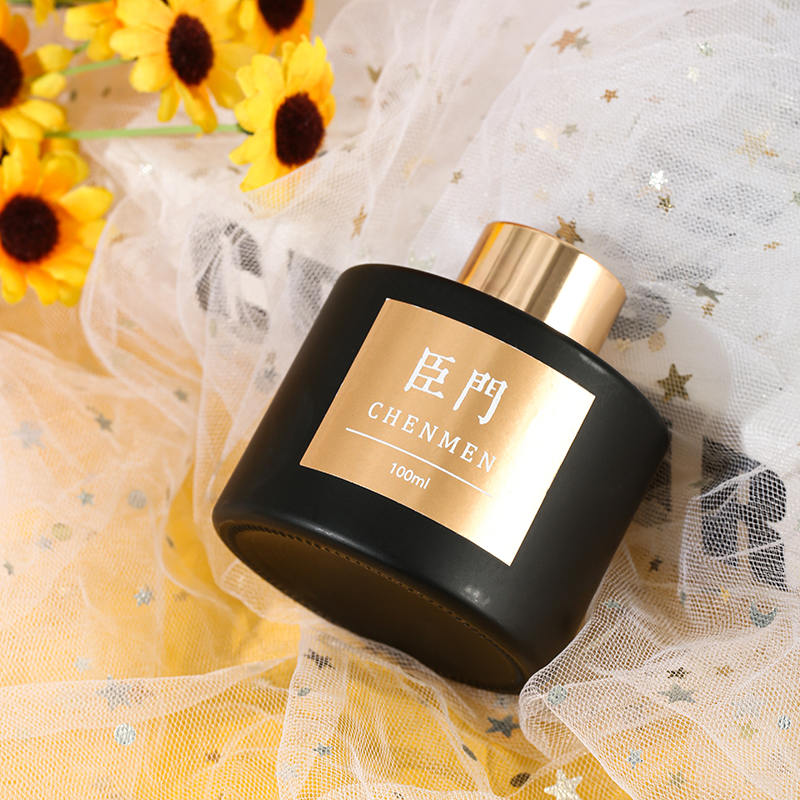 Black Bottle Hotel Reed Diffuser with Dried Flower DecorationDesigned for hotels and guest spaces, this fire-free reed diffuser features a durable black bottle and dried flower decor. It includes various fragrance themes and provides adjustable scent intensity, fitting the reliability and premium look discussed.View Product →
Retail distribution imposes a different set of priorities. Retail buyers want a clean, self-explanatory pack that communicates the fragrance, the use occasion, and the duration of the scent. Shelf blockers commonly used in the category include "sleep", "fresh cotton", "lavender", "natural", and "no aerosol". The last point is important: consumers increasingly reject aerosol cans for environmental reasons, so a pump-action linen spray is easier to position as eco-friendly. Paper-based or PCR-content cartons are another selling point that many retailers now ask for as part of their sustainability commitments. If your supplier can switch to FSC-certified paper and water-based inks, it opens more distribution doors.
E-commerce wholesale has its own nuances. Online shoppers cannot smell the product, so your listing needs a very clear comparison: is this a stronger or lighter spray than average? How many sprays per bottle did the consumer receive? Which scent accords are dominant? Online sellers also care about carton compactness and weight, because shipping cost is a large part of the landed price. A typical 100ml glass lint spray weighs around 250 to 350g including the carton; a 100ml PET version weighs only 100 to 150g, saving meaningful freight on a pallet of a thousand units. For Amazon and similar platforms, dimension ratio and packaging durability affect the inbound shipping fees, so the bottle shape and carton design should be optimised for dimensional weight, not only aesthetics.
Wholesale buyers ordering pallet quantities should also think about shelf-life planning. A linen spray with a two-year shelf life and a twelve-month "period after opening" is the market norm. If you order a container of 20,000 units and sell through in ten months, the remaining shelf life on the shelf when a consumer buys the bottle could be as short as six to nine months. Some retail chains enforce a minimum remaining shelf-life policy of 80 percent of the original shelf life at receipt, which means a two-year product should present at least sixteen to nineteen months of remaining life. This is a contractual detail worth confirming with your supplier before you commit to a large production schedule.
Seasonality also shapes wholesale ordering. Linen spray sales typically rise in the northern hemisphere between late spring and early autumn, when consumers open windows, notice stale odours, and prepare guest rooms for summer visits. Christmas and holiday seasons are also strong for gift sets combining a linen spray with a candle or diffuser. An experienced manufacturer will advise you to place your peak-season order at least twelve to sixteen weeks in advance to secure production slots, and to plan your first exploratory order outside the peak so that the factory can give you enough attention for sampling and iteration.
Key conclusion: Hotels, retail chains, and online wholesalers each require a different bottle format, labelling approach, and order cadence for linen sprays. Aligning these commercial details with a manufacturer's production calendar is the difference between a smooth launch and a stressful one.
Frequently Asked Questions about Linen Sprays
Are linen sprays safe to use on all fabrics?No, they are not safe on all fabrics. Linen sprays are generally safe for cotton, linen, polycotton blends, and most synthetic fibres. They should not be used on silk, suede, leather, or velvet unless the formula has been tested on a hidden area first, because alcohol and water can alter dyes or leave temporary marks. Every responsible manufacturer will note this on the label or in the safety data sheet. If you are sourcing a linen spray for a hotel where silk cushions or leather headboards are common, ask for a low-alcohol formula or one specifically marketed as fabric-safe on delicate fibre. |
How long does the scent of a linen spray last?The scent typically remains clearly noticeable for four to eight hours on cotton bedding and fades to a barely perceptible base note over the following day. Factors such as fabric type, room humidity, airflow, and the strength of the fragrance oil concentration all influence duration. A linen spray is designed for a short-term refreshing effect, not to replace candles or reed diffusers for long-lasting ambient fragrance. If a buyer wants a longer-lasting effect from the same scent family, the right approach is to pair the linen spray with a matching reed diffuser or candle. |
Can linen sprays be used as a replacement for fabric softener?No. A linen spray adds fragrance to the surface of fabric after washing and drying, but it does not condition fibres, reduce static, or soften towels the way a fabric softener does. Some commercial linen sprays contain a small amount of cationic fabric conditioner, but the primary purpose remains scent and freshness. For a hotel or laundry service environment, the linen spray should be applied after the drying cycle, ideally during the folding or pressing step, so it does not interfere with absorption of towels or the moisture-wicking properties of sportswear. |
Is alcohol-free linen spray worse than an alcohol-based one?Not worse, just different. Alcohol-based sprays dry faster, spread the fragrance more evenly, and are easier to preserve. Alcohol-free sprays use alternative solubilisers such as glyceryl oleate or polysorbates, and they are preferred for sensitive-skin consumers, certain hotel environments, or markets with strict limits on volatile organic compounds. The disadvantages of alcohol-free versions are a longer drying time and a potentially heavier feel on very fine fabrics. A competent manufacturer can formulate either type, and the choice should be driven by your target market and regulatory constraints rather than by a general assumption that one is superior. |
What is the minimum order quantity for custom linen sprays?For a private-label project using an existing formula and stock bottle, the MOQ is usually 1,000 to 3,000 pieces. For a fully custom product with a new fragrance, bespoke bottle, and unique packaging, the MOQ typically starts at 5,000 to 10,000 pieces per SKU. The exact number depends on the bottle mould cost, the fragrance development fee, the label printing setup, and the filling line speed. A supplier like Ningbo Habest that already has a large bottle library and an in-house fragrance development process can often provide a more favourable MOQ than a manufacturer who must outsource every component. |
What regulations apply when exporting linen sprays?The main regulatory areas are ingredient safety, fragrance allergen labelling, and transport classification. In the European Union, the CLP Regulation requires the declaration of fragrance allergens above 0.01 percent in rinse-off products and 0.001 percent in leave-on products; linen sprays are treated as leave-on because they remain on fabric. In the United States, the product is generally classified as a household air freshener or fabric refresher and must follow CPSC labelling and child-safety packaging rules. Ethanol content above certain thresholds may also trigger transport classification as a flammable liquid, so the shipping documentation must reflect the correct classification. A reliable manufacturer will provide a safety data sheet and guide you through these requirements for each destination market. |
If you are still reading because you are evaluating a specific sourcing project, the final piece of advice is to make the most of the sampling phase. Send your supplier a clear brief that includes the target fabric type, the desired scent family, the bottle format, the retail price point, and the required documentation. Request three to five fragrance samples and test them on the actual fabric you plan to use, in the room environment where the product will be used. A good supplier will appreciate this level of diligence and will incorporate your feedback into a sharper formulation. The time invested before placing a purchase order is always cheaper than correcting a formula after it has been filled into ten thousand bottles.
Key conclusion: The linen spray category rewards buyers who take formulation, compliance, and packaging seriously. Test on real fabric, confirm the regulatory document set, and choose a manufacturer who can support you from a single SKU to a full home fragrance collection.

Táirgí te

Nuashonraigh Nuacht
FOGHLAIM TUILLEADH
 IDIRGHABHÁIL LEIS SAM
NAISC LUATH
TÁIRGÍ
TEAGMHÁIL LINN
- Phone:díol04@nb-ádh.cn
- Tel:1
- E-mail:[email protected]
- Address:+86-0574-88408268



